When Your Simple Project Aspires to Become a Magnum Opus

Projects have a life of their own, you know.  Once you are hooked, they know that it will be difficult for you to just walk away.

That’s when they set their plan in motion. They become difficult. Tricky.  More complex than you expected.  They create challenges for you to overcome. They set up roadblocks to test your patience.  Sometimes you are even physically harmed. (Yesterday I cut myself with my embroidery scissors trying to pry my project from the nest that had formed under the embroidery hoop.)

There’s no cure for this.

An unruly project cannot be beaten into submission.  You have to get in the saddle and ride it, until it, or you, collapses from exhaustion.  You must never, ever submit to the tyranny of a project with a bad attitude.

Here’s the glimmer of hope:

You will learn something.  Even if the only thing you learn is that you will not do this again.  But more likely, you will learn perseverance.  You will learn technique, born of necessity, fired in the kiln of frustration.  You will learn to push through.

And when you are done, you will be stronger, grittier, one step closer to accomplishing almost anything.

Bravo.

IMG_1697[1]

About 25% done.  Machine embroidery on a sweatshirt
About 25% done. Machine embroidery on a sweatshirt
Label Your Quilts to Preserve the Moment

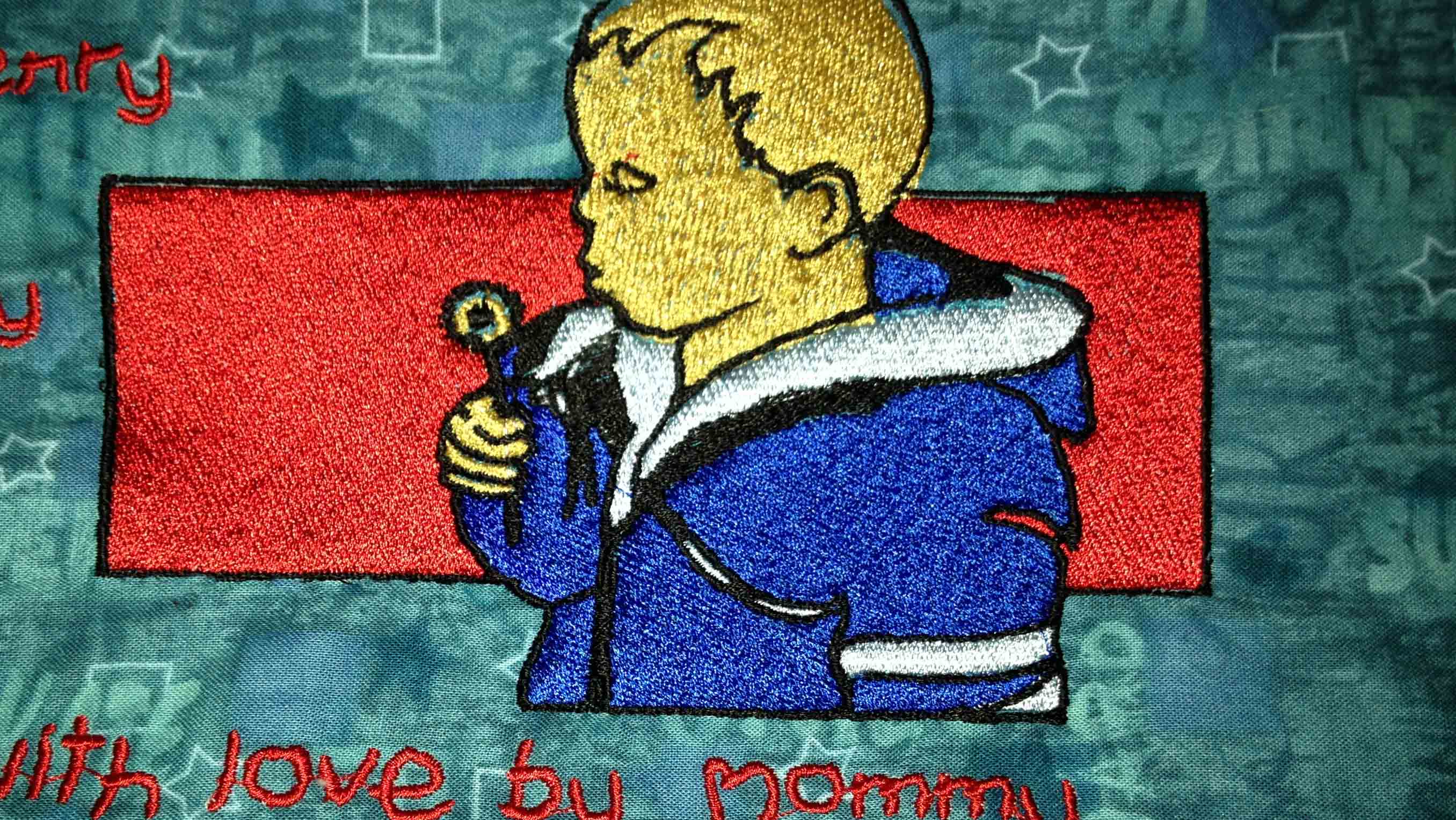
Quilt label for my son's quilt

Quilt label for my son’s quilt

I have a confession.  I am not very good at remembering to make quilt labels.  Yet I know just how important they are and how much character they add to a quilt.

And the thing is, I love to make labels.  The one pictured above is digitized (I knew absolutely nothing about digitizing at the time) from a picture of my son when he was 4 years old.  He was blowing a dandelion.  I made him a quilt that year, from fabric that he loved, and I wanted it to be a remembrance of that time in his life.  It includes his name, the date the quilt was finished and of course, “Made with love by mommy.”

Right now, I have at least 3 quilts which need labels.  I can no longer remember exactly what year I made the quilts. (Sometime in the last 5 years).

I am especially guilty of not labeling anything that I make for myself or for our house.  When giving something away, I am a little better at the labels.  A little.

It seems irresponsible to make a quilt, put it out there in the world and not give it a label, an identity, a reason, a meaning.

At work, a customer told me she never puts on the binding of a quilt until after she adds the label.  I think that’s a good recommendation.  We all know that the last stitch of binding means we’re done. Complete. Finished. Put it away.  But making sure that label is in place before the binding is on, is a way to trick ourselves into getting it done.

So let’s agree to make the effort.  We never pass this way again.  My son will never be 4 years old again. But we can capture that tiny little season, and wrap ourselves up in it with a cup of hot chocolate on a cold October evening.

label2

Bernina Embroidery Software 7 – It’s Here!

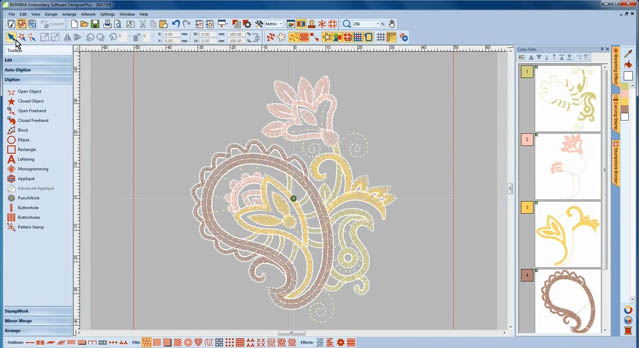
sftware73I’ve been in training the past couple of days learning Bernina’s new embroidery software…Software 7.

Here’s the verdict.  I love it.

And believe me, if I didn’t love it, this blog would be about something else!

My first impression was that the new interface with its bright colors and larger icons made the software feel remedial — like entry level stuff — when we all know this digitizing software is probably the most complete consumer embroidery software on the market.

As I played around, I found all my “usual” icons in places that are far more intuitive than they were before.  I think beginners will have a much easier time understanding all the capabilities of this software.

A few general highlights:

–More single run lettering capabilities and fonts which will be perfect for quilt labels, recipes etc.

–Micro lettering, which will allow tiny satin stitch fonts

–A “Paint Bucket” which allows you to change colors in small parts of a design very quickly

–Easy-to-use, intuitive navigation…lots of little surprises here, but all good

–Improvements in slow redraw, including being able to redraw in artistic view

–Ability to change from Metric to US measurements with the click of a mouse

–Ability to add an article of clothing in the background of your design to calculate position, sizing

–“Quick trace” ability in Artwork Canvas (turning a bitmap into a vector)

–Stumpwork, trapunto, and raised satin stitch capabilites

Overall, the improvements were easy to figure out and to use.  That’s the hallmark of good design…when you “get it” right away.

I was able to load Software 7 on the same computer as Version 6, but most of you will want to simply update.

I can’t wait to spend a little time working on projects.  FYI, Bernina’s Software Sampler will continue to focus on Version 6 until the end of the year, at which point everything will be focused on Software 7.

Here’s a video provided by Bernina that will give you an overall idea of their new Software 7.


Back to Quilting

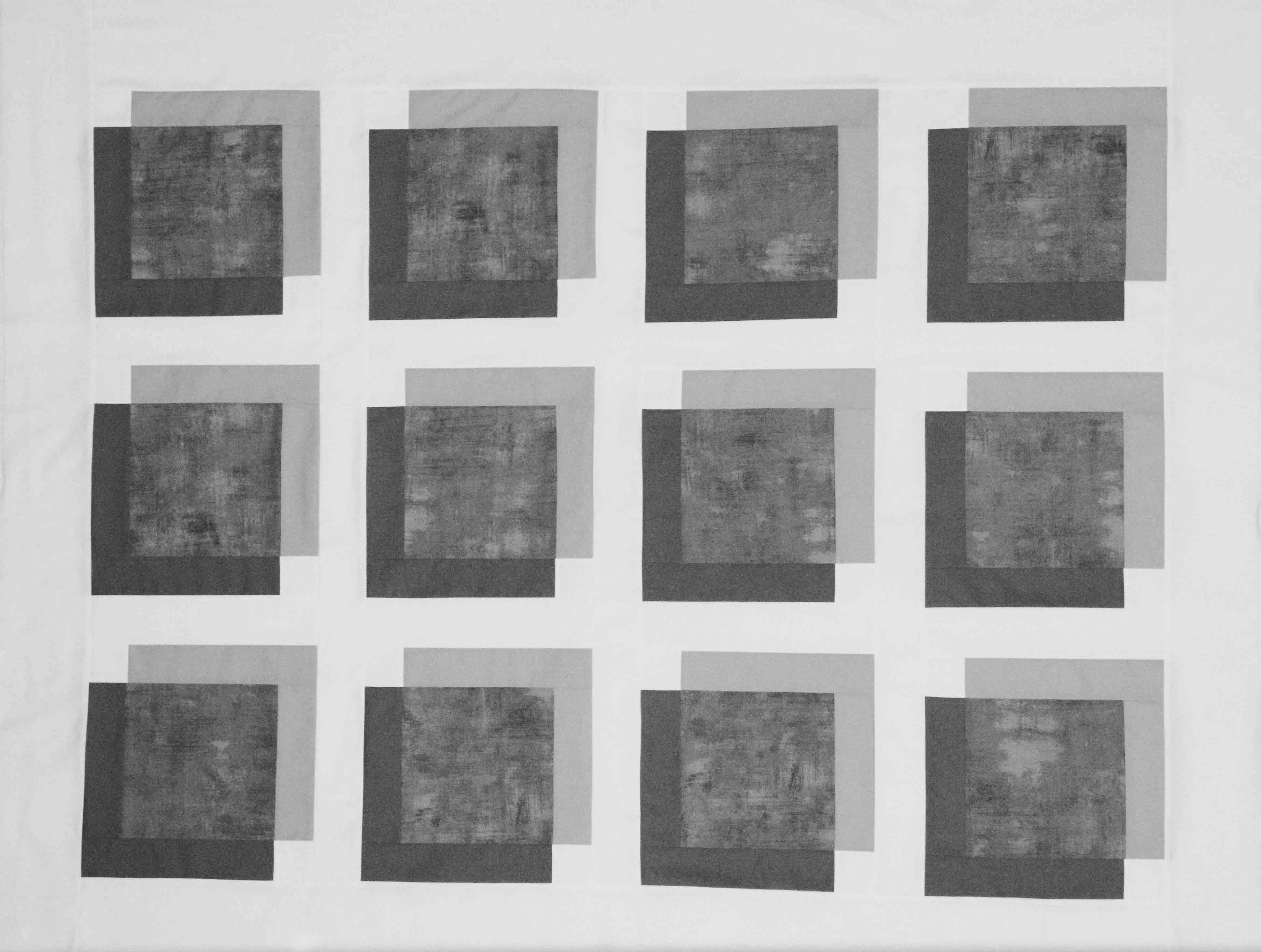
Transparency Quilt

Transparency Quilt

I started this quilt for my great-nephew weeks and weeks ago.  But, of course, life gets in the way.  Thankfully, he won’t arrive until sometime early November.  But this week, I got it pin-basted and quilted.  I am really liking the look of this quilt as it is very simple, yet sophisticated.

The baby’s room is grey, and the parents are not really into “baby-cutesy”, so I think this will work.

The quilting is very simple , with an overall pattern of horizontal stippling.  While I really love some of the very intensive, complicated quilting that is really popular these days, I also think there’s a time and a place for simplicity….and this quilt needed simplicity.

Getting started with machine quilting.

Getting started with machine quilting.

Have to say, I love Machingers for machine quilting.  I’ll never go back to any other type of gloves for control and gripping.  They also keep my hands very cool, which can be a big deal.  No one wants to work up a sweat while machine quilting.

Bernina Stitch RegulatorAlso big on my list is the Bernina Stitch Regulator.  Whatever your quilting skill level, this adds an ease that I have just come to appreciate.  I can go at any speed and have the stitches be consistent every time.  Now, I have done enough machine quilting that I don’t necessarily need the stitch regulator, but I have found that it makes the job so much easier on me.  My shoulders don’t hunch quite as much. And I go way faster because the size of the stitch is not a struggle.

Quilting is finished. Pattern by Weeks Ringle and Bill Kerr from their new book, "Transparency Quilts".

Quilting is finished.  Pattern by Weeks Ringle and Bill Kerr from their new book, “Transparency Quilts”.

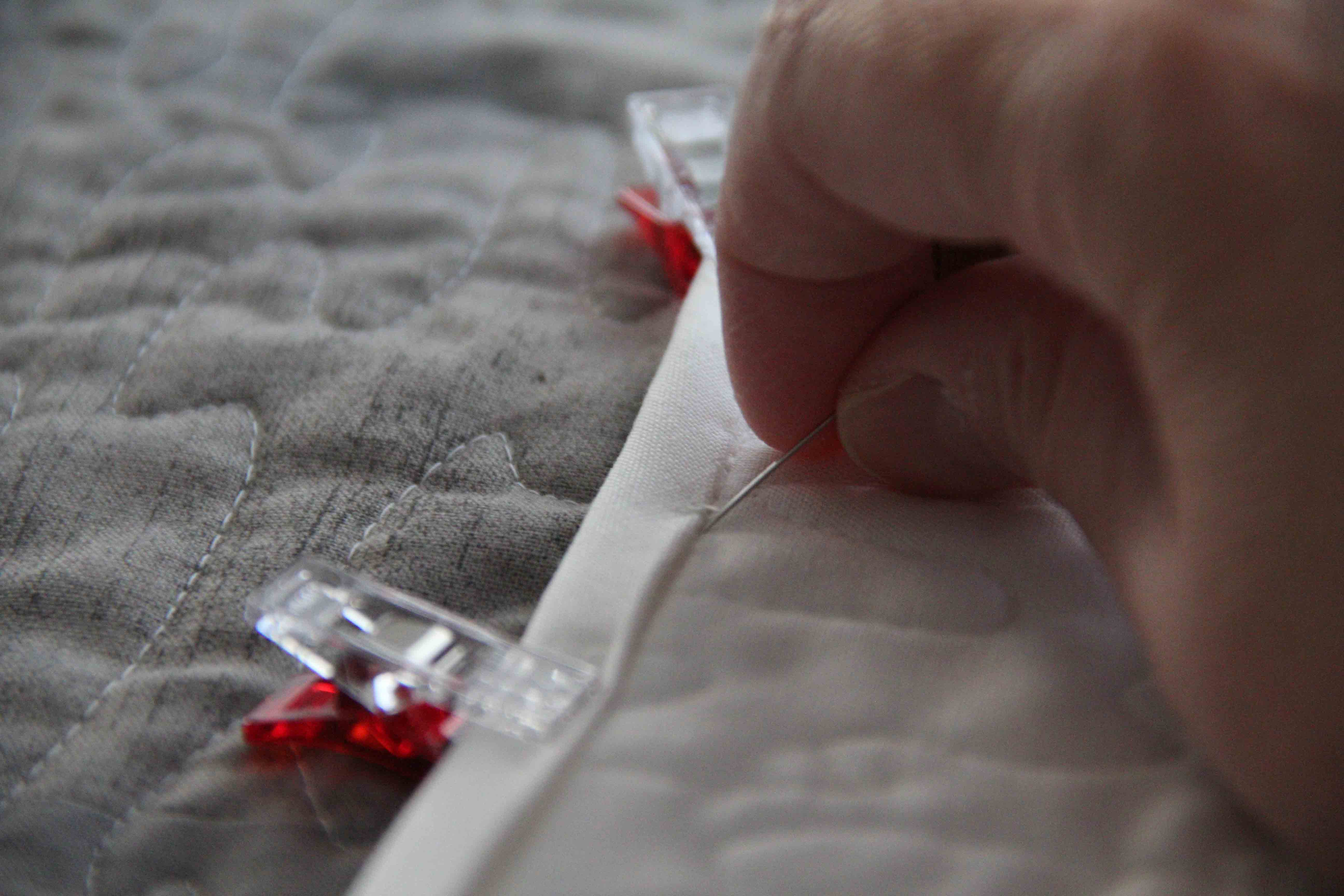
Finally, I used a bias binding, as I want this quilt for my great-nephew to last a long time.  Bias binding has more fibers running along the edge of the quilt, so it will handle more washings, more rubbing, more overall use.  I always stitch the back of the binding by hand. I’m not one to use the machine for this final touch.  I’m not even sure why, except that I love the feel of hand-binding, I love the look, and I think it adds a touch of hand-sewn love to every quilt.

binding


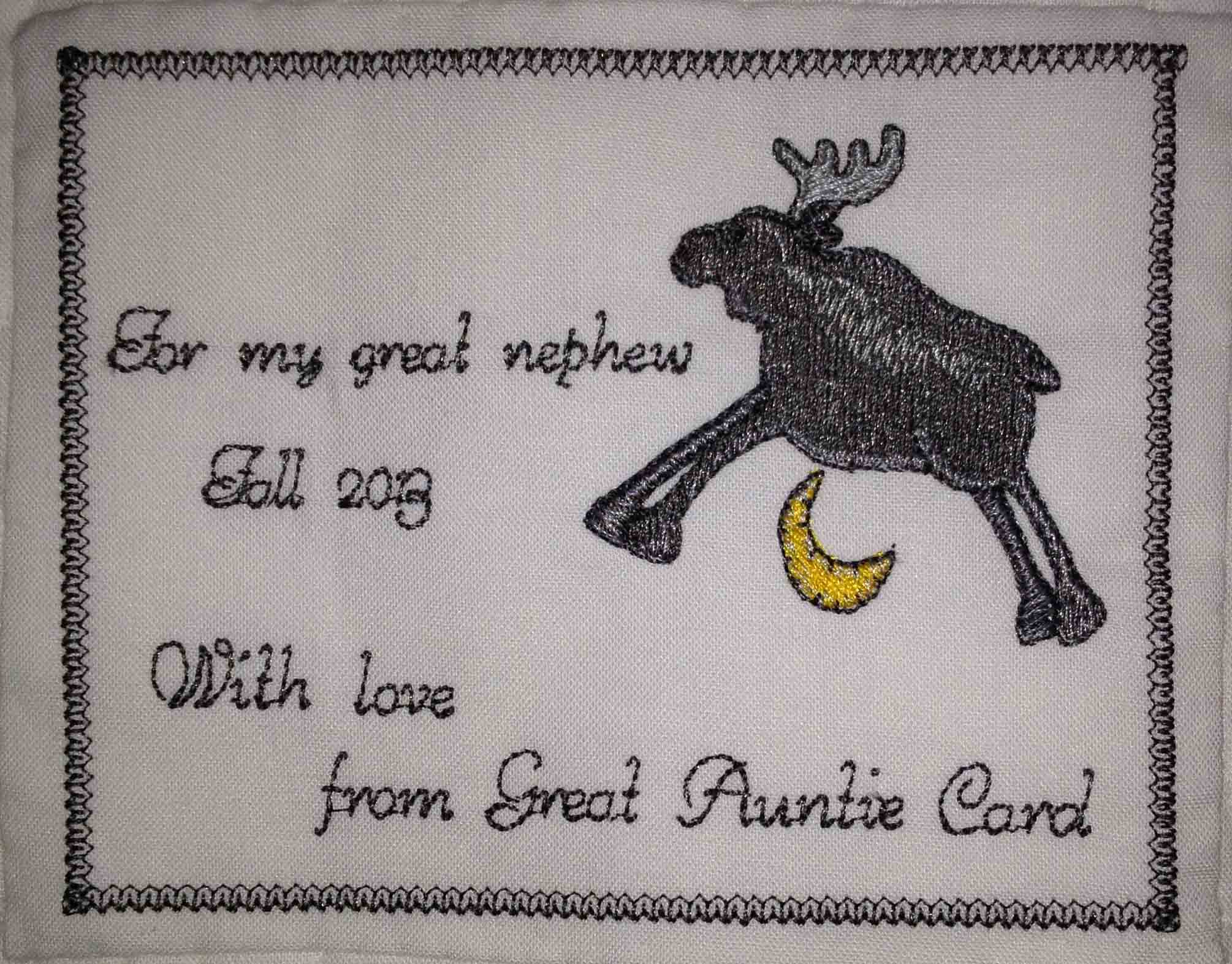
All that’s left at this point is a quilt label for my great-nephew.

Well that’s a lot of black and white for one blog post, even though I am a big fan of black and white.

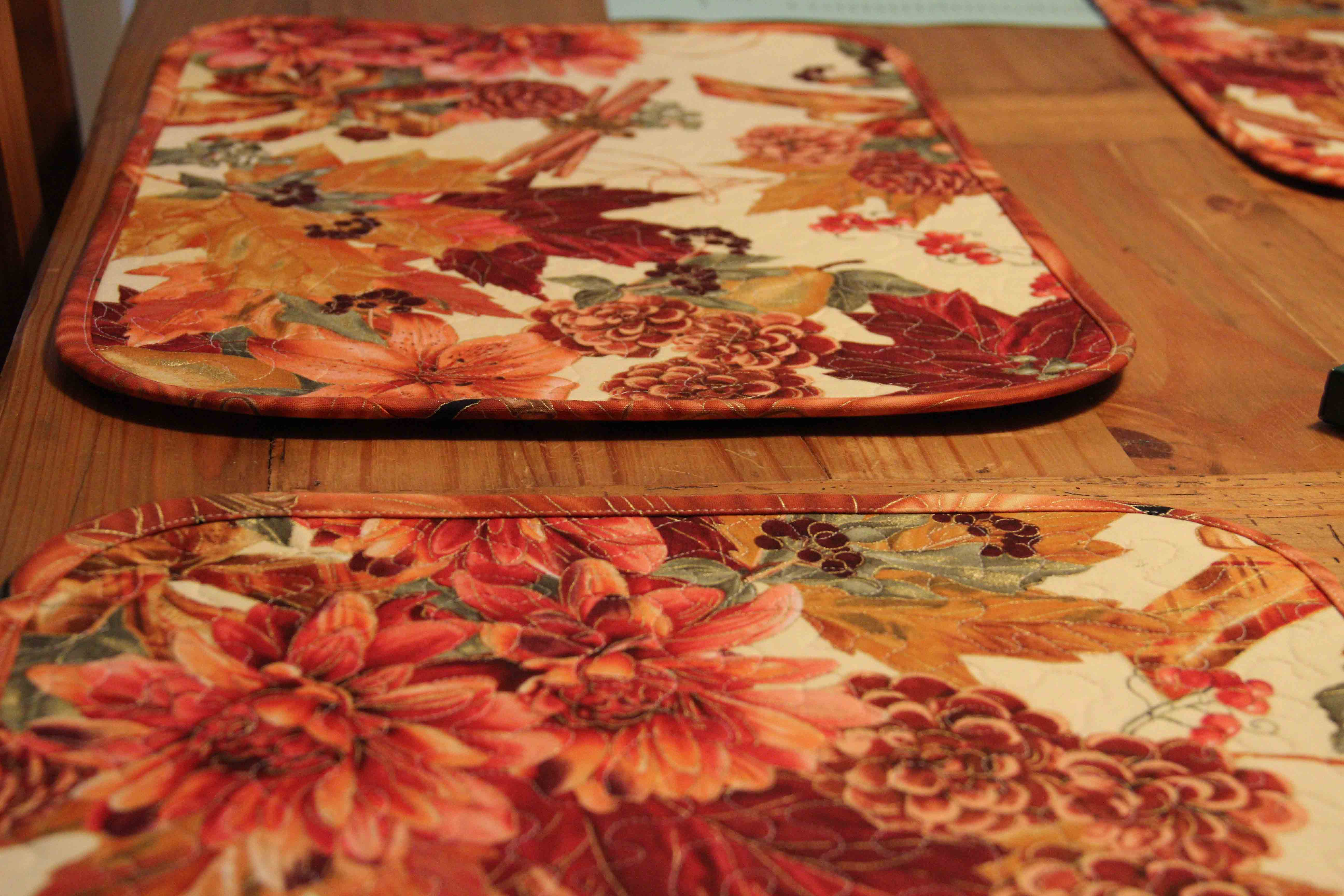
So here’s a finished pic of the fall placemats.  They are colorful, completed and set up on the table.

Happy Stitching!

Happy Stitching!


Singer Featherweight in the House

Oops I did it again.

I bought a sewing machine.

But this one is cute.

1934 Singer Featherweight

1934 Singer Featherweight

This one has a beautiful straight stitch, comes with its own case and accessories, and similar machines are owned by millions of people.

But this one is from 1934.  That’s one year after they started making them in 1933.  These crazy little reliable sewing machines were made in virtually the same design from 1933 to sometime in the sixties. They can be looked up by date by checking their serial number on the bottom.  Older Singer Featherweights are worth a little more, but a lot depends on the condition.    This one has some wear and tear from use, but I would guess that’s to be expected.  I have some wear and tear from use and I was not born in 1934.

Featherweights really still hold charm in the eyes of many sewists.  Without any gimmicks or heavy duty electronics, these little machines just keep going.  And going. Parts for them are readily available on the market.  Resale value still holds.  Collectors are all still interested.  Some things just never appear to lose their value.

More Paintings

honeymoon2

high school

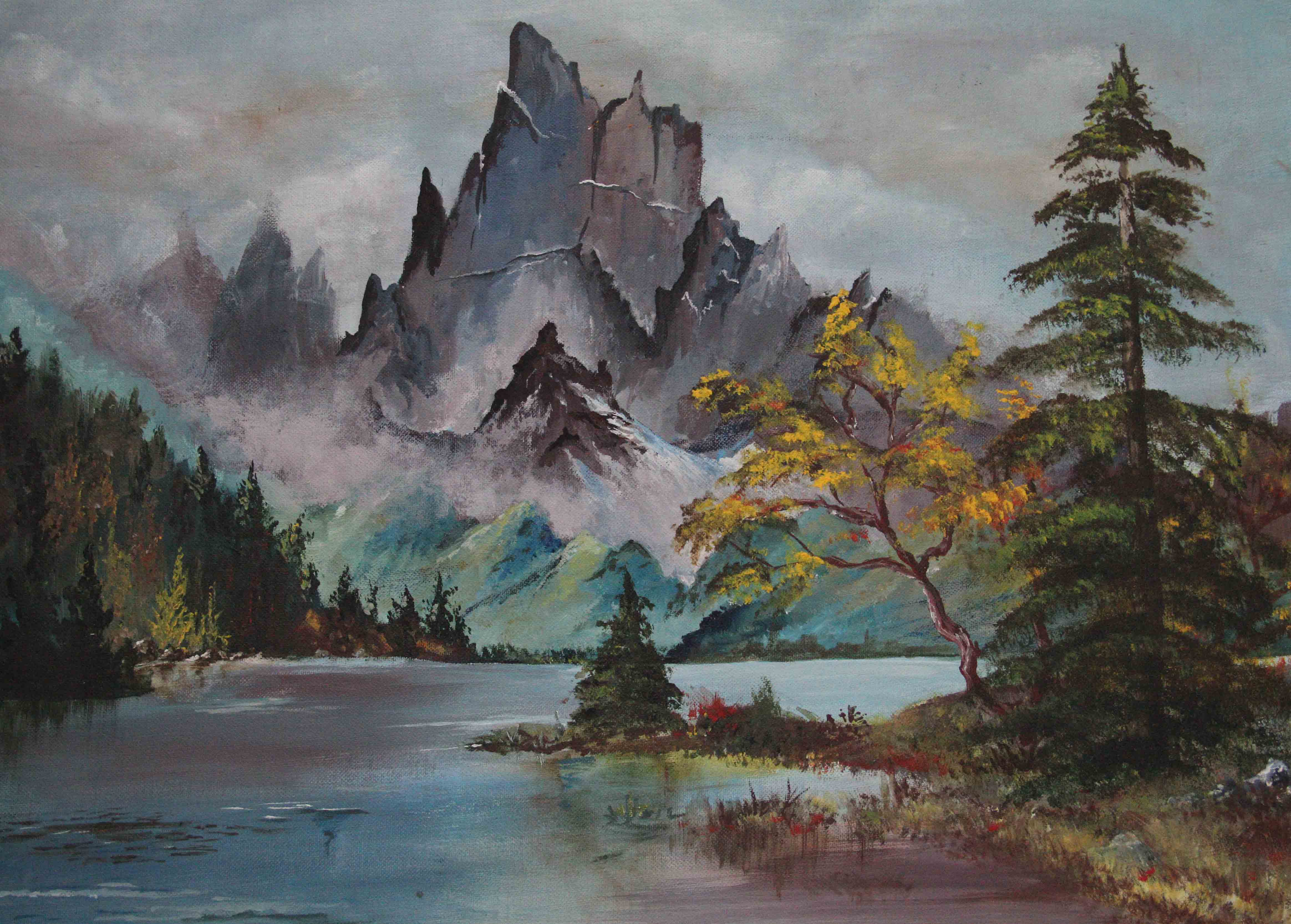
I painted both of these…probably 20 years apart.  One was from a place I had actually visited, and the other from a postcard.

Can you tell which is which?

Maybe it’s obvious to you.  It is to me.

I worked hard on both of them.  One is a study in nature, the other…a study in nature.  If you’ve ever painted, you know that when you are in the middle of a painting, you are in that location.  You have to be.  Whether it is coming from your imagination, or from a picture, or whether it was your experience in real life, at the moment that you are painting, you are there.

It would explain why I love to paint landscapes, scenes of tranquility or astounding beauty.  Whether I am in that location or not, I have most certainly traveled there in my mind.

But a painting done from life experience almost always has more courage.  It is more expressive, and usually more emotional.  It may not be the best at capturing details but it captures a moment.  And, on a good day, lets the viewer in on the wonder.

Ready for the answer?  I gave enough hints.  I’m sure you know by now.

The top one was from our honeymoon in Hawaii.  I dragged my not-a-morning-person newlywed husband out over a bluff along the shore in Kauai.  We sat together in the dark, listened to the relentless surge of the ocean and watched the sun come up.  It turned out to be a stunning display, becoming more brilliant with every passing moment.

The other is a painting I did a few years after high school, from a lovely postcard.  I don’t really even know the exact location.  Wyoming, maybe?  But I do love the mountains and so painting it was joyful.

Which is the better painting?

Well.  I leave that up to you.

Chicago Botanic Garden

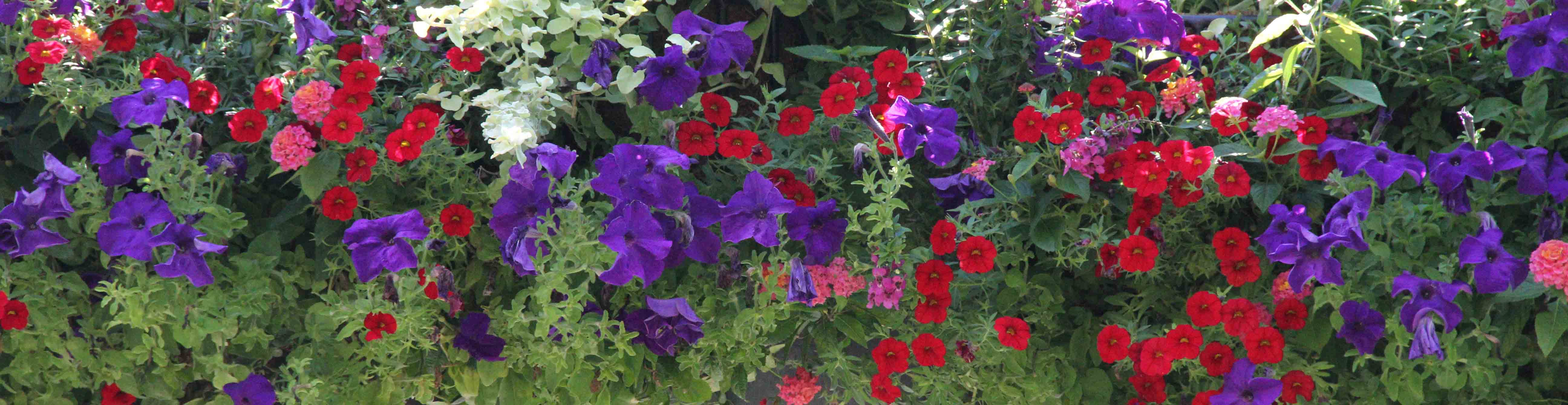
flowers1This week I went to Chicago Botanic Gardens.  It was on my list of things to do this summer and I’m just squeezing it in under the wire before school starts.  I went alone.

And what a joy.

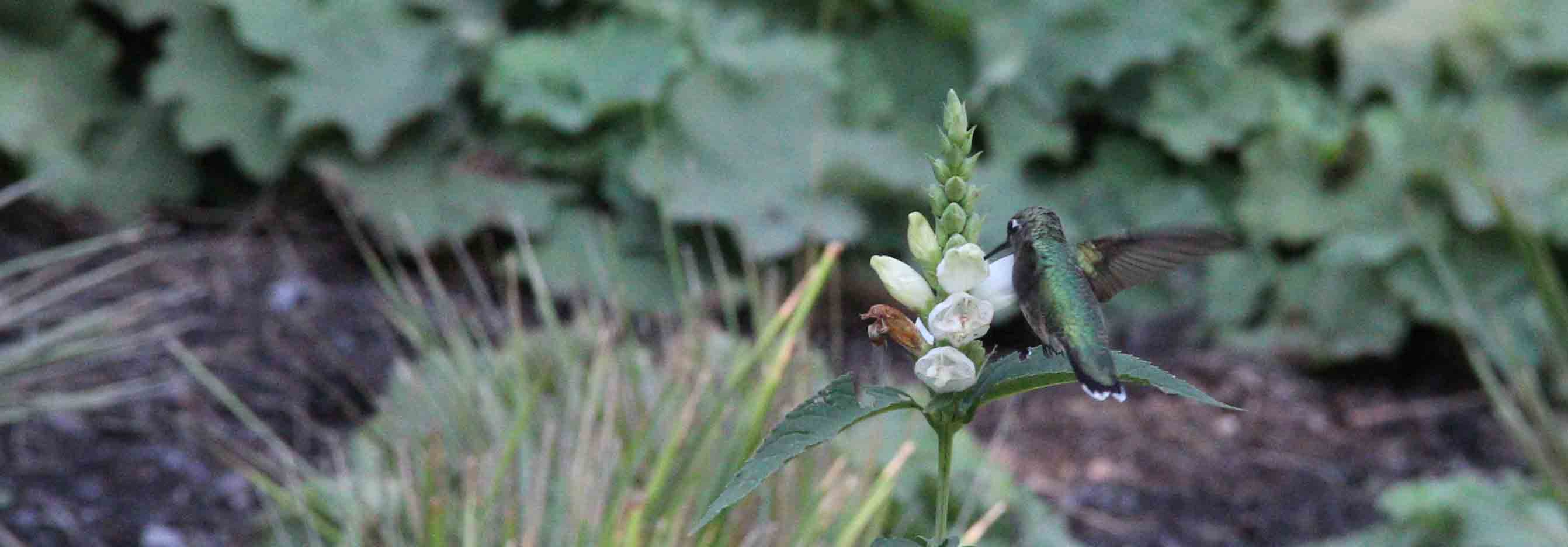
Can you find the hummingbird?

Can you see the hummingbird?

hummingbird2

How did I live here all my life and not spend time in these gardens?  Actually, I was here  once before about 20 years ago.  I was managing a photo shoot and was overwhelmed by the work.  Were the models on time?  Was the photographer happy?  (Because there’s nothing like a photo shoot with an unhappy, temperamental, egocentric photographer.)  Was the merchandise correctly displayed?  Were we on time and on budget? Would the weather hold? I can barely remember the scenery.

But this time was a different story.  I strolled.  I took pictures.  I contemplated. I noticed.

It was lovely.

A few pictures to share.

Gaining Perspective

andromeda_galaxy

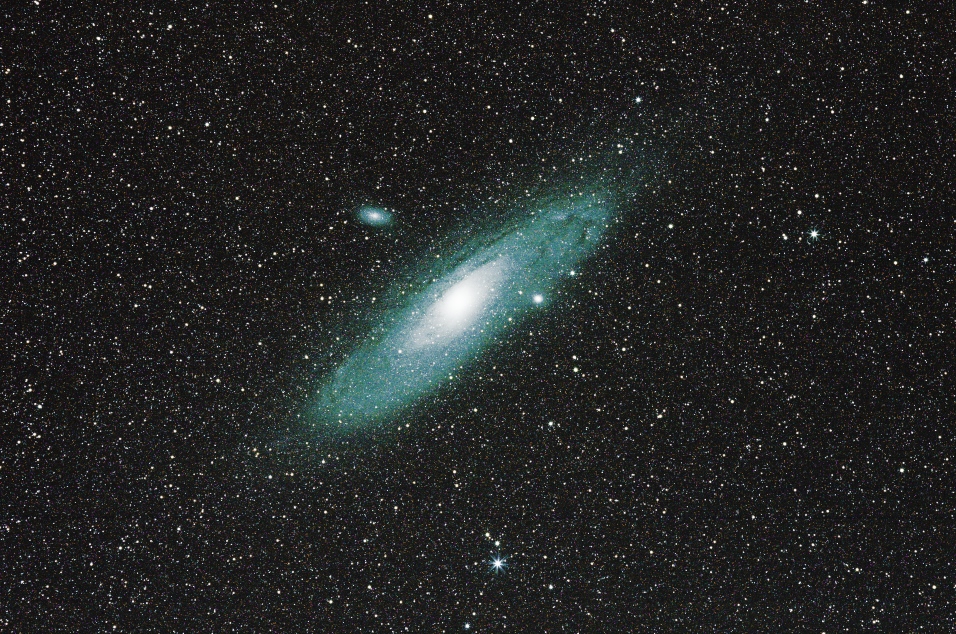
My husband is an astrophotographer.  This photo of Andromeda was taken August 11 in the early morning hours.

Taking pictures of extraterrestial objects is far more difficult than it looks.  Timed exposures of the sky have to account for the crazy, spinning, wobbling rotation of the earth.  And the more I learn about that, the more grateful I am for gravity which keeps us all from being thrown wildly off into space. So you have to program a camera to turn at the exact same speed as the rotation of the earth or your pics are fuzzy.  Micrometers matter.  Milliseconds matter.

They do make telescope mounts that can be programmed, but let me tell you…they are not cheap or easy to use.  It helps to have some technical background and the persistence to experiment , fail, and try again. And again. And again.

Andromeda is 2.5 million light years away.  Reminder:   One light year, for those of us who need a refresher in middle school science, is the distance light travels in one year.  The speed of light is 186,000 miles a second.

Yeah.

The numbers are mind-blowing and therefore add some perspective to our pitiful existence.  We are minutiae in the universe.  A petri dish in the back of God’s refrigerator.

And let’s not even get into the idea of quantum physics–in which case, our viewing of Andromeda may cause it to change properties.

So, once in awhile I step back and contemplate the universe.  My problems look so small.  And yet, I’m here to look.  I’m here to observe, to draw conclusions and to appreciate what I see.  I don’t ever expect to understand the mystery of all this.  But the older I get, the more comfortable I am with mystery.

I don’t know.  You don’t know.  No one knows.

And I guess that puts us all on even footing–on one small planet at the edge of the Milky Way Galaxy.


O the Weather Outside is Frightful

Table runner

Table runner with text on a path, applique, free standing lace and an embroidery from the new collection Urban Doodles:  Lilies with Spheres.

Not really.  The weather outside is not frightful at all.  In fact it’s quite delightful.

However, in the world of quilting and embroidery, we’re already thinking ahead to fall and winter and gearing up for the holidays.  If I waited to start my fall quilting projects until it’s really fall, I’d never get them finished on time.  So, we quilters and embroiderers start getting excited about new holiday fabric right about now.
This particular project involved embroidery text set on a path. This month in the August Software Sampler, Amanda Whitlatch will cover all of this in detail and much more, so be sure to visit Sew Generously or your local Bernina dealer to attend or find out more.

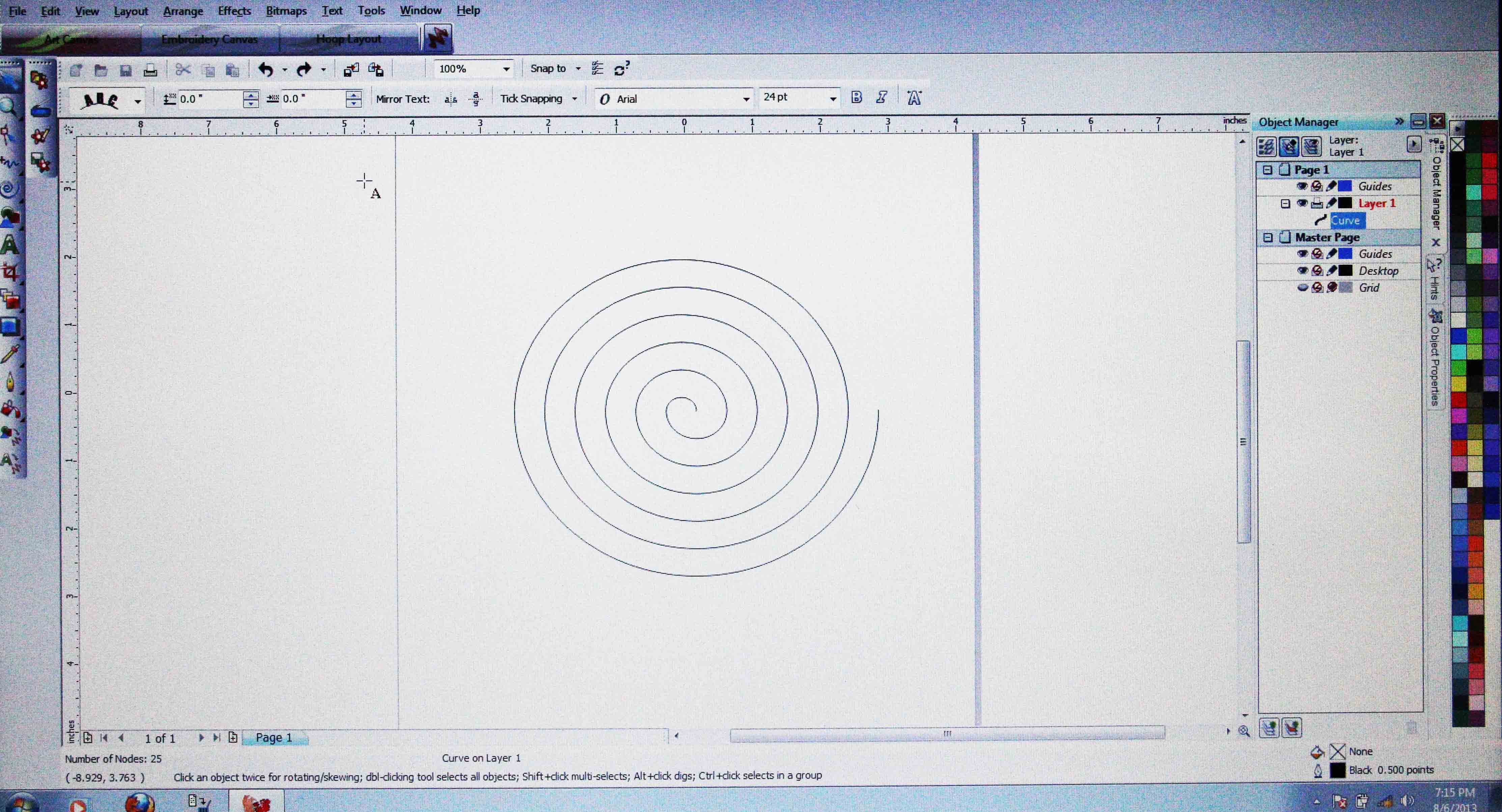
Using V6 embroidery software, go into Art Canvas and set up a vector shape for the text to follow.  See below. You don’t have to use a spiral, you can create a freehand line, or use a rectangle or another shape.  I just had some fun with the spiral.

IMG_1715

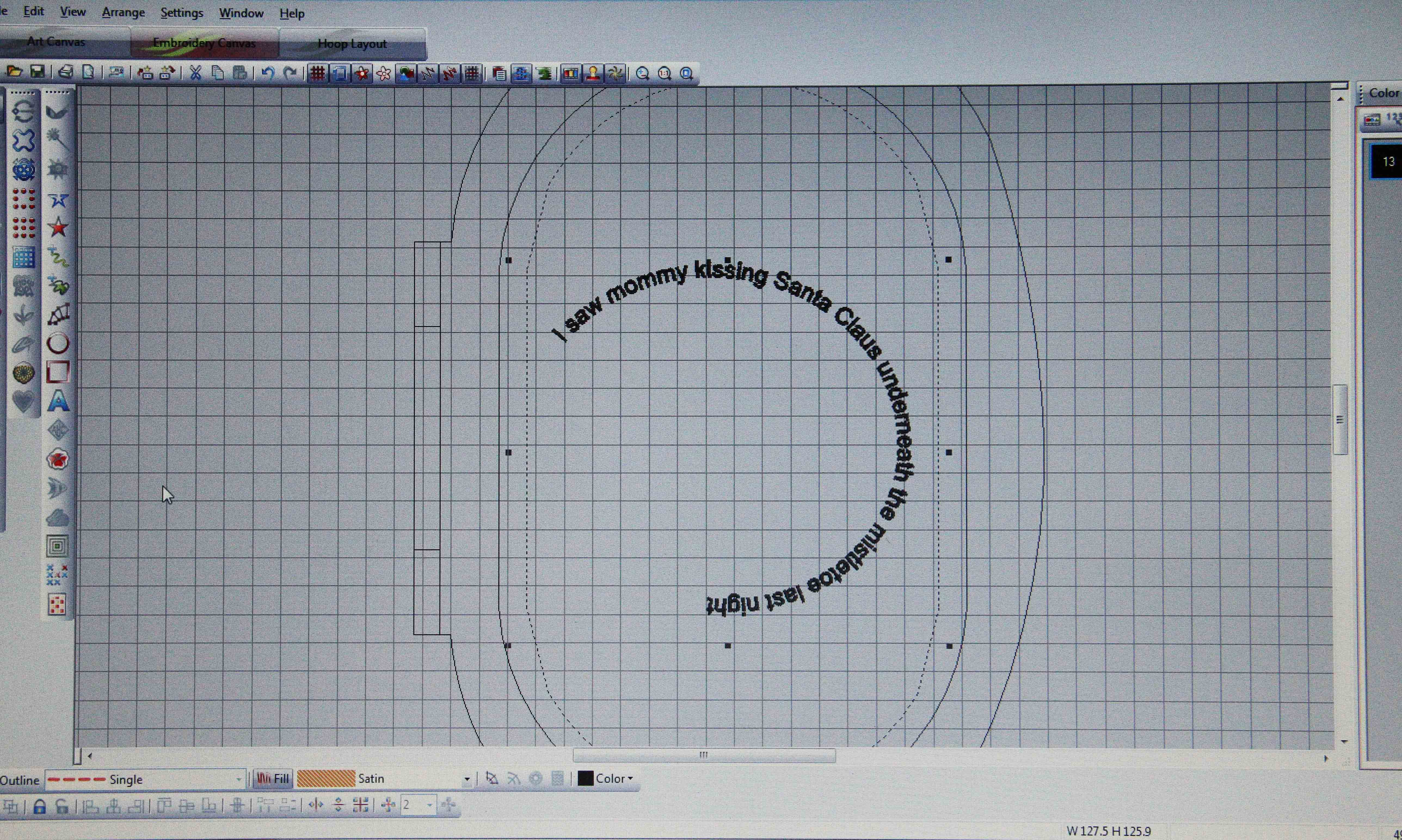
Next, click the text icon on the left, then go to the text menu and click “Fit Text to Path” .  Type in your text.  Select all.  Then click the icon on the left that says “Convert text to embroidery.”  This will open embroidery canvas, and your text will be converted.

IMG_1718


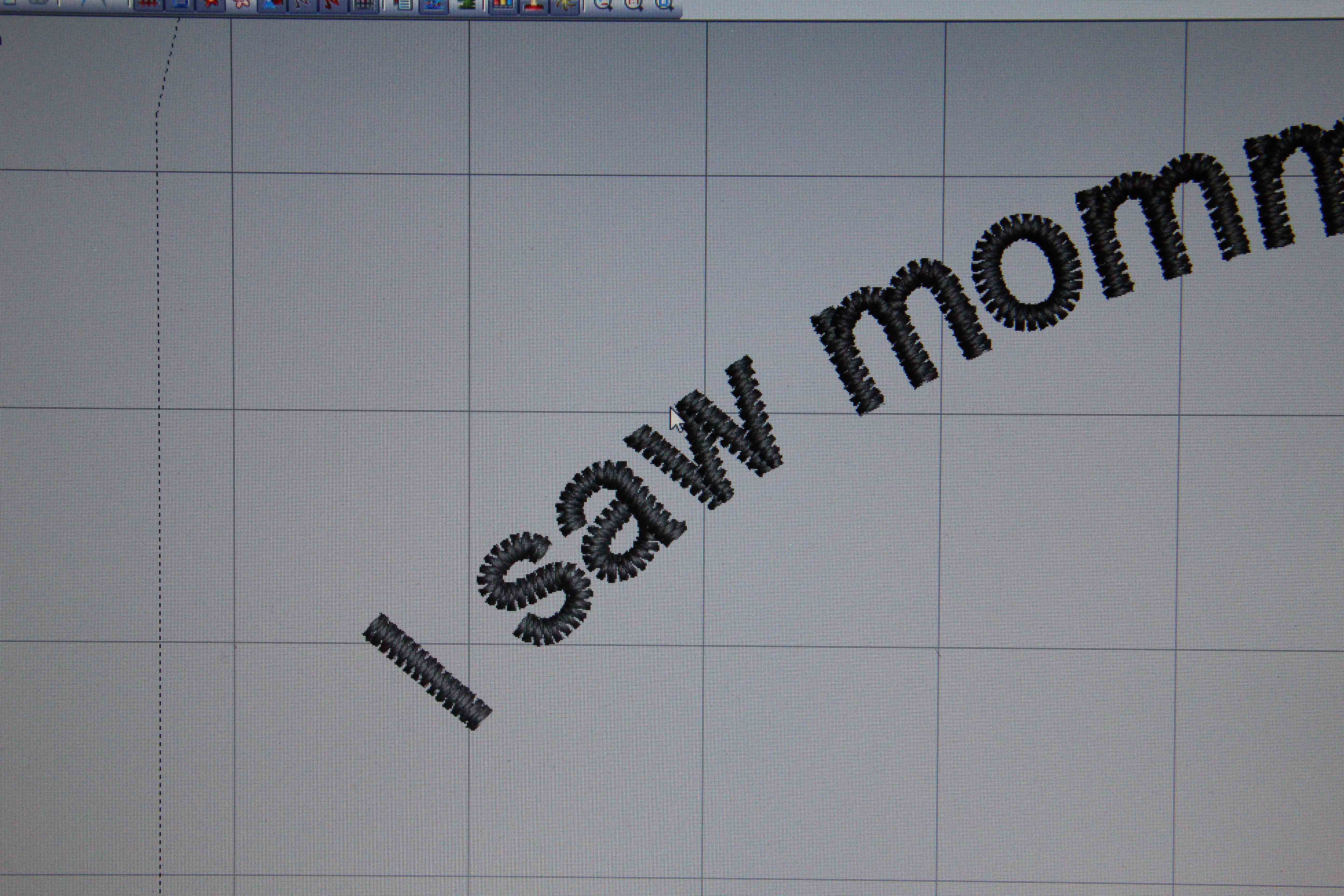
Be sure to check your text to make sure it is large enough to stitch out properly.  You can always increase the size, but at this point it will be treated as a graphic and not as text.

IMG_1719

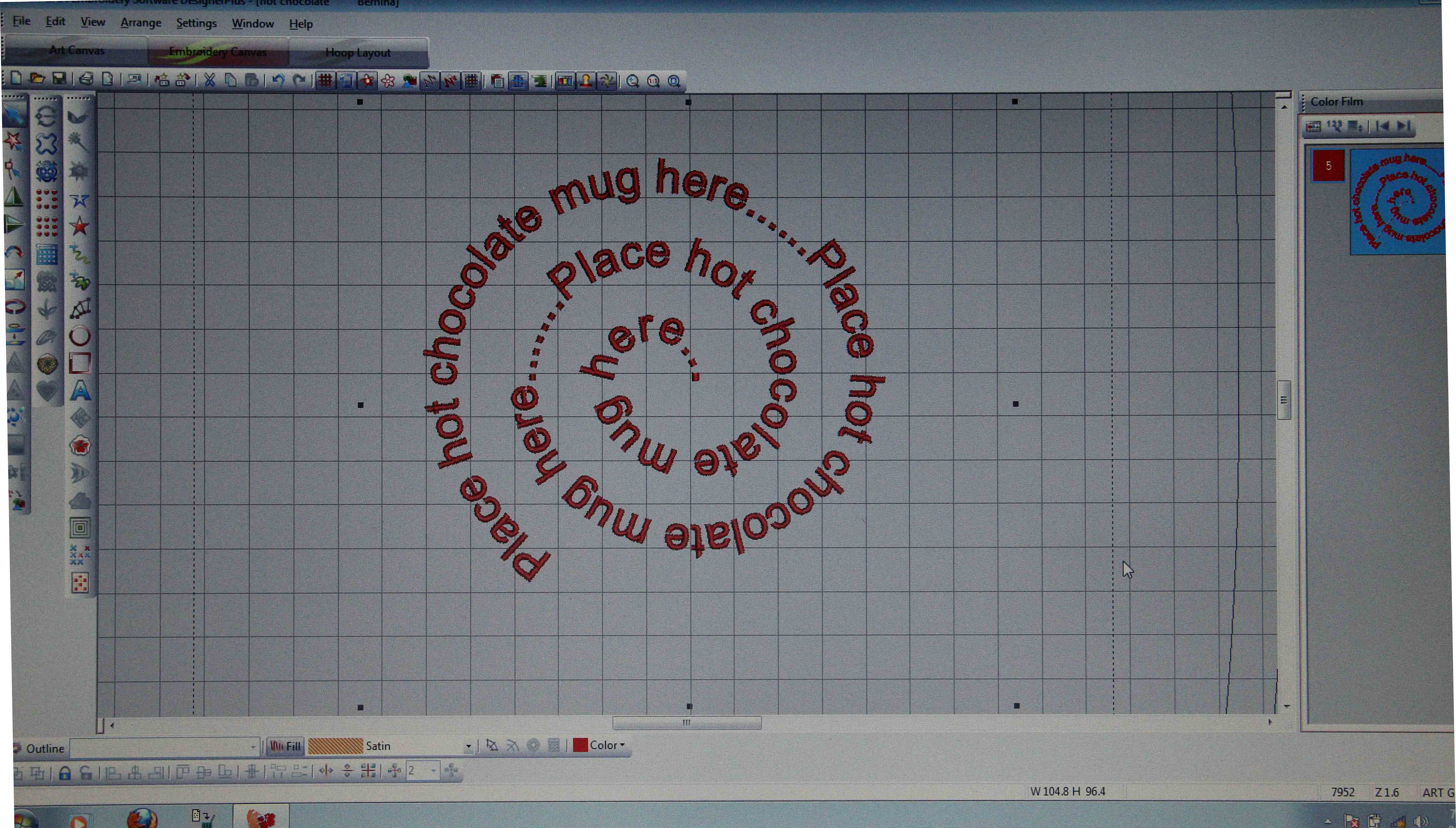
I want to create a couple of mug rugs to match the table runner using this text below.

IMG_1721

Have a little fun with this, and be sure to visit your local quilt shops soon.

The Northern Illinois Quilt Shop Hop is still on until the end of August.

You can still enter drawings, get 15% off your purchases, and best of all, most of the shops now have the newest holiday fabrics in store!  So start planning your projects–  because as soon as the kids are back in school and that first North Wind begins to blow, we both know you’ll be itching to get behind that sewing machine!

Pour It On

interim

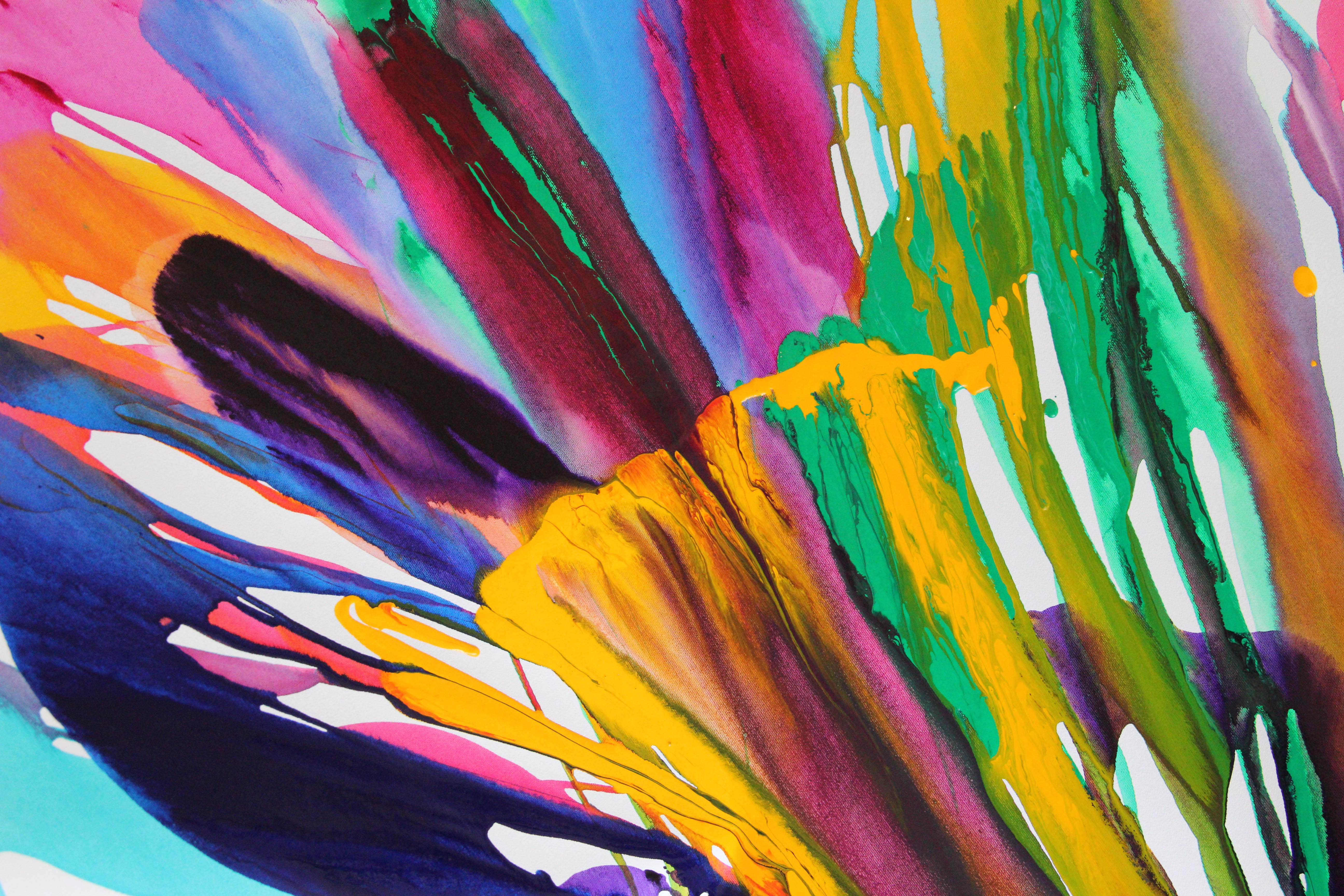
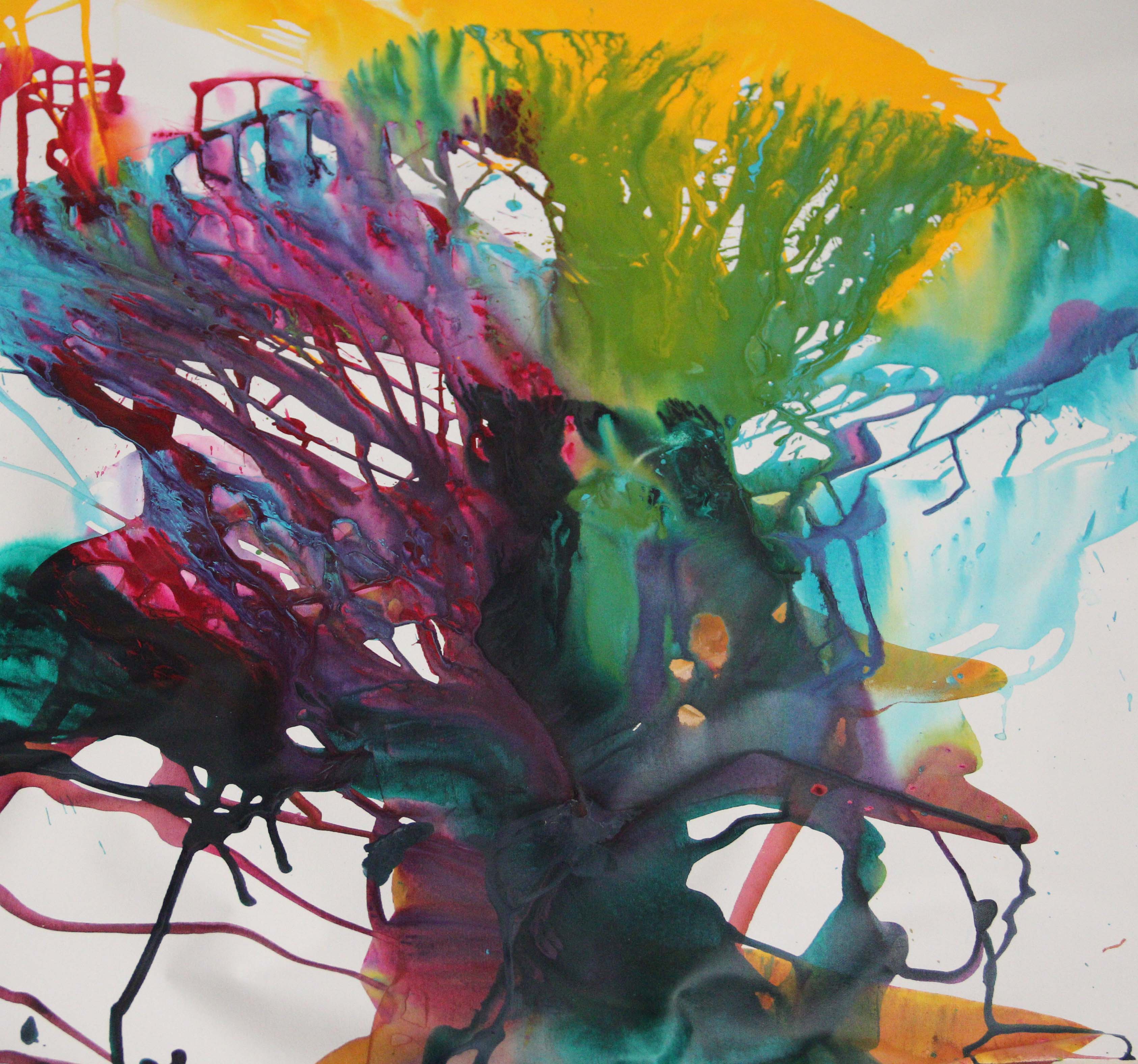
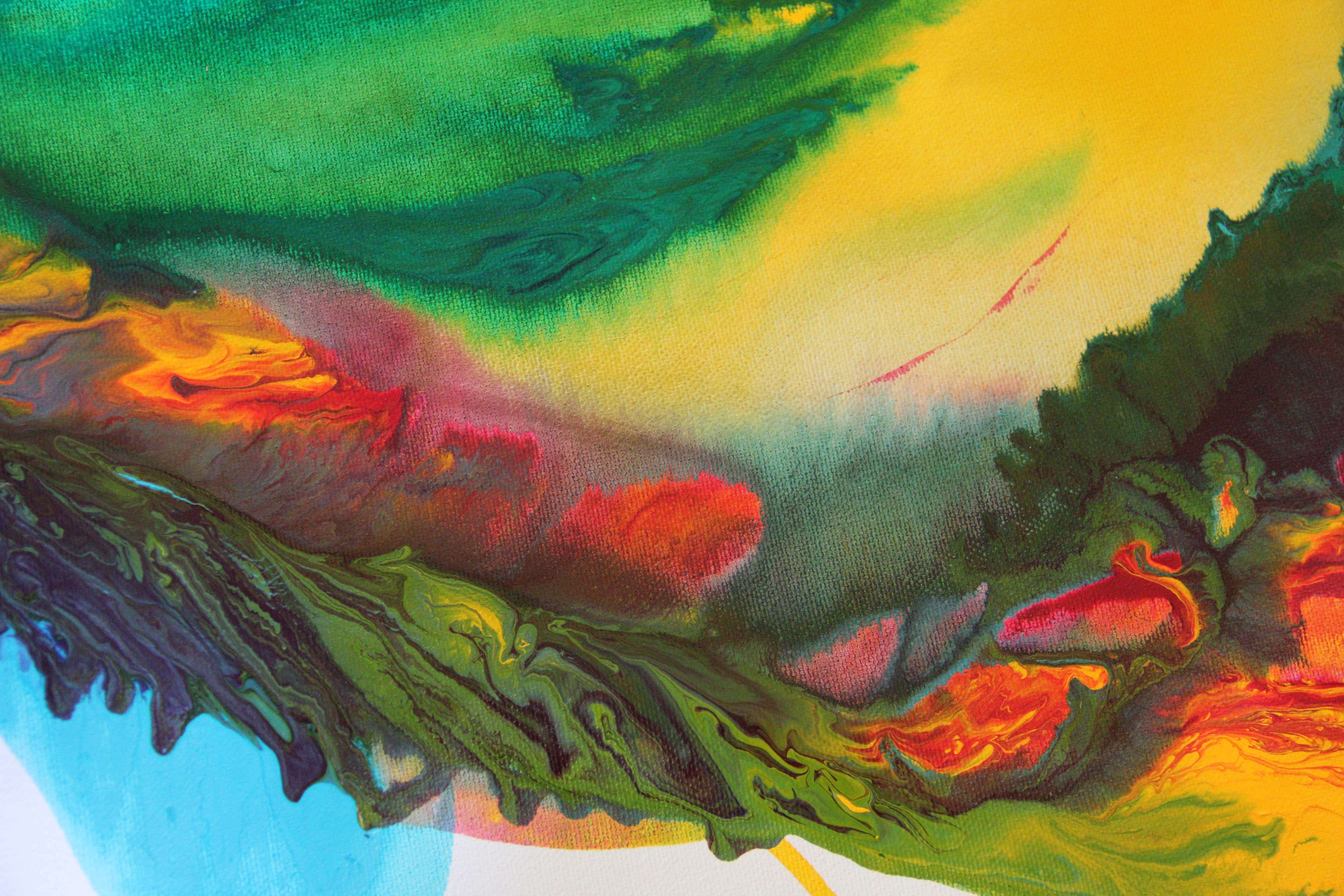
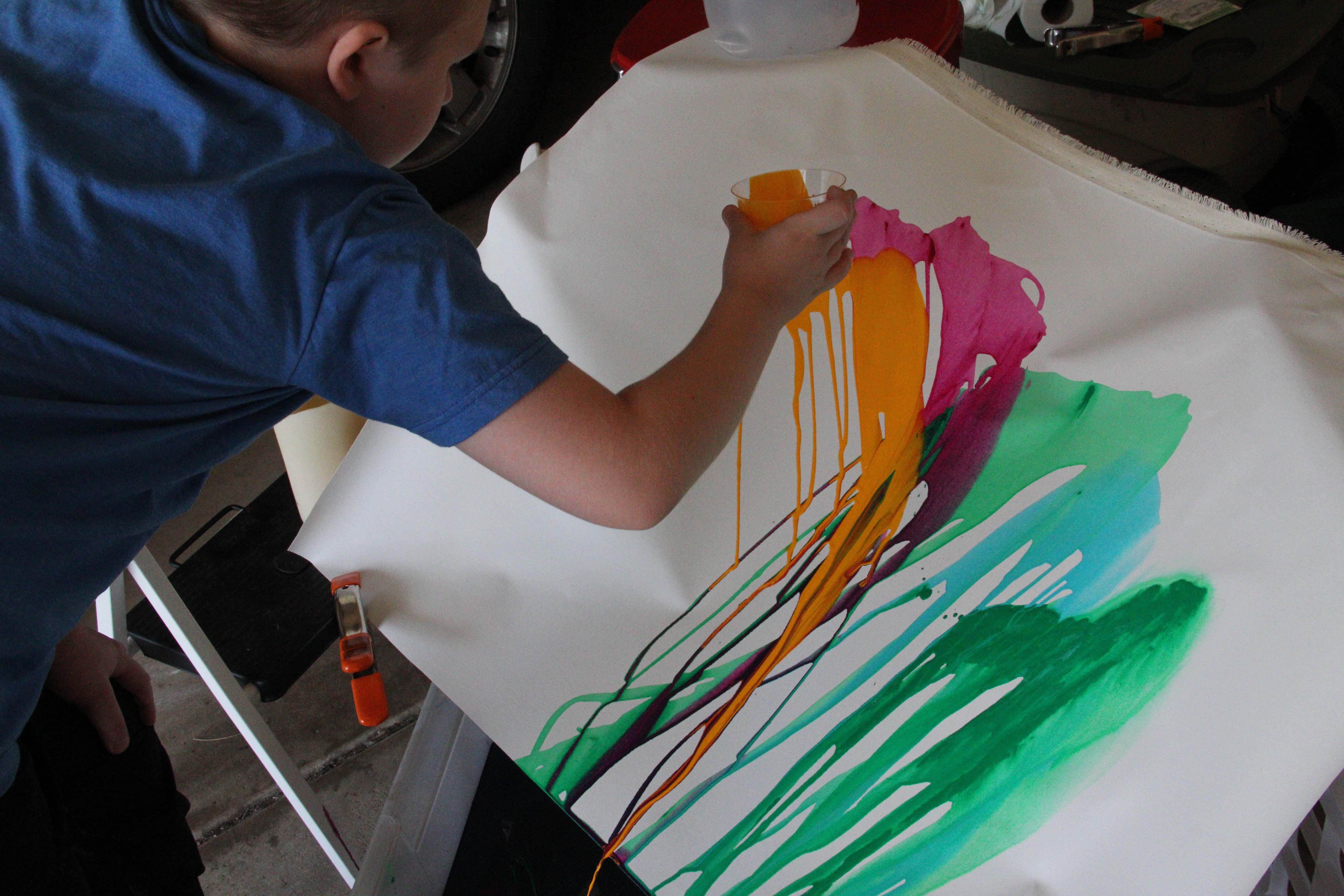
We had a garage session yesterday.  And when we were done we had art.

evasive green

henry2


green puddle

Here’s all it takes.  Some unstretched canvas.  We got ours at the Art Box in Geneva.

Side note: The owner is very talented.  I love the direction his art is taking lately.  His shop is both a studio and art supply store. I believe he also teaches. Ironically, his shop is right across from the Egg Harbor Cafe.  So many good things are located near an Egg Harbor Cafe!!

Anyway, you’ll need unstretched canvas and Golden liquid acrylics (which can be purchased at Blick’s in Wheaton.)

That’s it.  And water.

I want to give a shout out to Alyce from Fine Line Creative in St. Charles.  I took a class with her and learned this technique and I would highly recommend it to anyone who is interested in learning to do poured paintings.  She is a lovely woman, and has the patience of a saint.

As you can see, kids love this technique.  It’s very freeing.  Here’s the dialogue running through my son’s head:  “Oh that is so cool.  I see an angel, with people all around. Wow, look at that, now I see a witch and spooky clouds.  This is so COOL!”

henry3

Adults, here’s the dialogue that runs through our head: “That is so cool.  Oh but we’re wasting a lot of canvas, and look that expensive paint is just running down and we’ll have to throw it out, and oh maybe I shouldn’t put that here and what if I ruin it? Maybe the purple is too dark and where do I start and what if I just make a mess.”

I remember a woman in the class who was paralyzed by the blank sheet.  She stood holding her paint over it for what seemed like hours, trying to talk herself into letting go.  She didn’t know where to begin.

The beauty of this process is that the artist is not entirely responsible for what is created.  The paint plays a role which you absolutely cannot control or predict.

That takes a huge burden off of us. It doesn’t have to be perfect. I don’t have to be perfect.  Paint does what it does.  I can’t control it, I don’t want to control it. If it’s beautiful, then, look what happened?  If it’s ugly, then, eew, look what happened.

I love this technique and invite you to try it sometime.  No pressure.  Just art.

old tree